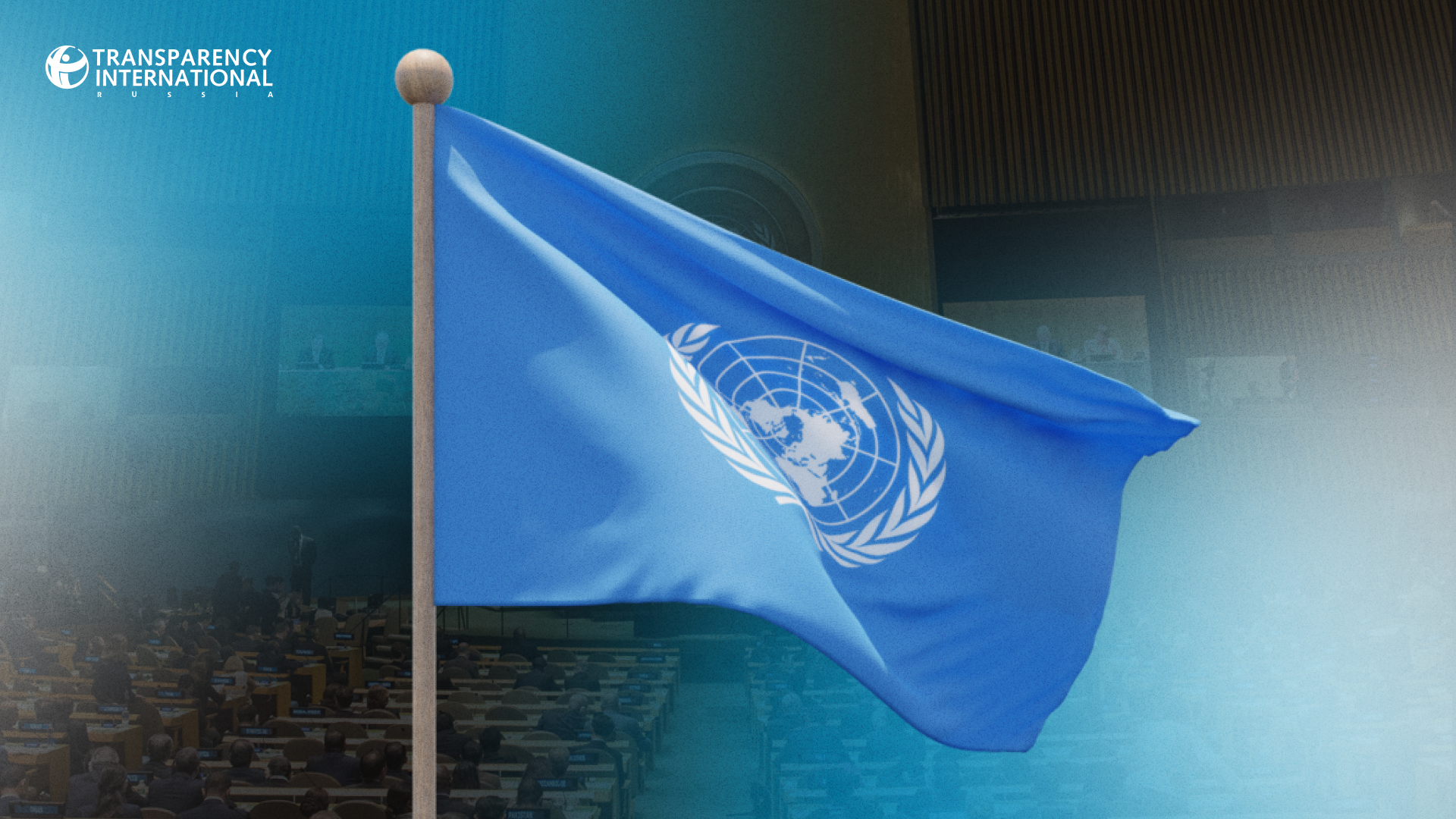
The United Nations Human Rights Council has adopted a resolution explicitly linking corruption to human rights violations. This is a significant political signal: the international community now officially recognises that corruption is not merely an economic issue but a serious obstacle to fulfilling fundamental rights.
The legal team at Transparency International Russia and other members of the UNCAC Coalition advocated for adopting this resolution and supported the inclusion of key provisions.
The document highlights that corruption disproportionately affects the poor, vulnerable, and marginalised populations, restricts access to education, healthcare, and justice, and undermines trust in public institutions. Fighting illicit practices becomes nearly impossible without the protection of rights such as participation in public affairs or access to a fair trial.
The resolution includes provisions we have consistently advocated for:
-
Preparing a comprehensive study on human rights and corruption, with recommendations for states.
-
A call for UN human rights mechanisms to consider corruption within the scope of their mandates.
-
Support for the free and safe work of civil society, journalists, and human rights defenders.
-
An emphasis on the importance of cooperation between anti-corruption bodies and human rights institutions.
The adoption of this resolution is a step in the right direction. While it does not yet impose obligations on states or establish accountability mechanisms, UN special rapporteurs must pay greater attention to complaints involving rights violations in corruption contexts. This already opens up new avenues for pressure and protection.
We will continue pushing for more. One step is advocating for the creation of a dedicated UN Special Rapporteur on corruption and human rights. This issue must remain on the global agenda, and we will do everything to ensure it does.