
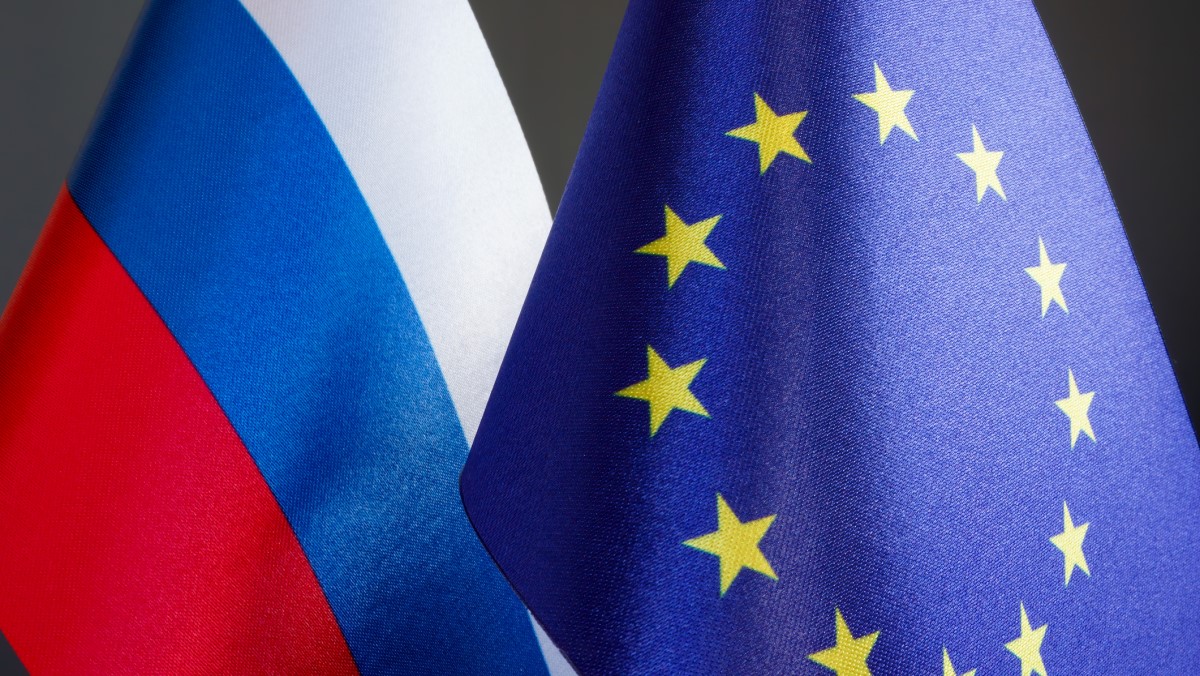
The European Union has adopted its 19th package of sanctions. For the first time, it directly targets dirty Russian crypto schemes. Transactions on crypto platforms used to bypass restrictions and fund Russia’s war are now banned.
Transparency International Russia has been highlighting these schemes for several years:
-
2023: From Moscow-City with Crypto — we revealed how Moscow City’s towers host a conveyor belt of crypto cash-out operations.
-
2023: Study of the black market of “nominee” identities in crypto-to-fiat services — we exposed how shell individuals and companies were selling their documents en masse to enable cash-outs and bypass KYC checks.
-
2024: Unraveling the Web — we showed how fake offshore structures and formalistic checks allowed Russian roubles to be converted into dollars and euros.
-
2025: Crypto Laundromat: How Garantex Evolved into a Sanctions-Evading Global Network — we proved that the sanctioned Garantex never disappeared, but re-emerged as Exved and Grinex, continuing to fund the procurement of dual-use goods for Russia’s military industry.
Our advocacy is making an impact. EU sanctions now close the loopholes we have repeatedly exposed.
It is also important to stress one more point. Both our investigations and EU sanctions aim at those who profit from the war. They do not target ordinary citizens or civil society. People need safe alternatives for money transfers, especially with today’s restrictions. The goal is simple: stop the grey networks that feed Russia’s military machine.